

A staggering 72 percent of Croatian shoppers have encountered fake discounts in stores, while 91 percent walked out of a shop disappointed by the actual deals - according to research by MEP Biljana Borzan from February 2026. If you have ever stood in front of a shelf wondering whether that 40% discount is real or just marketing, you are not alone. Here are 7 concrete tricks that reveal when a sale is genuine and when it is just a tool designed to make you pay more.
Quick overview
| # | Trick | Tool | Potential savings | Best for |
|---|---|---|---|---|
| 1 | Label check - 30-day price rule | Your eyes, price label | 5-20 EUR/shop | All shoppers |
| 2 | Cjenko app | iOS/Android | 10-25 EUR/week | Everyday grocery buyers |
| 3 | Spot price anchoring | Cjenko - price history | 5-15 EUR/shop | Buyers of pricier goods |
| 4 | "Up to X% off" - selective discounting | Careful label reading | Impulse purchase avoided | Seasonal shoppers |
| 5 | Psychological pricing and packaging | Mobile calculator | 3-10 EUR/shop | All shoppers |
| 6 | Usporedilica.hr - pre-shopping planner | Web browser | 15-25 EUR/week | Weekly big shops |
| 7 | Fake urgency and timers | 24-hour rule | Impulse purchases avoided | Online and in-store |
1. Check the label - the "lowest price in 30 days" rule
 Photo: Tamanna Rumee, Pexels
The most powerful tool you already have is a law working in your favor, right on the price label. Under the Consumer Protection Act aligned with the EU Omnibus Directive, in force since 28 May 2022, every retailer advertising a discount must show two prices on the label: the reduced sale price and the lowest price at which the product was sold during the previous 30 days. No exceptions - applies to all physical and online stores across the EU. This rule is the cornerstone of protection against fake discounts in stores, and it is something you can verify yourself in seconds.
Here is a concrete example that, according to the najcijena.hr guide on discount laws, used to be a common manipulation: a jacket normally costs 100 EUR. A week before a winter sale the retailer bumps the price to 130 EUR. On sale day it goes for 70 EUR, advertised as "46% off". Without the law - great deal. With the law - the label must show "Lowest price in 30 days: 100 EUR", and the discount must be calculated from 100, not 130 EUR. The difference between 46% and 30% is not trivial.
| Key information | Detail |
|---|---|
| Law | EU Omnibus Directive, Consumer Protection Act (HR) |
| In force since | 28 May 2022 |
| What to look for | Two prices: sale price + lowest price in last 30 days |
| Example | If the lowest was 100 EUR, discount calculates from 100 - not 130 EUR |
| Where to report violations | State Inspectorate - inspektorat.gov.hr |
Pros: free and visible on the label, legally protected right, valid across all EU stores, no app or internet needed
Cons: requires active attention while shopping, some retailers break the rule (2025 inspections found 20.4% violations), enforcement checks are infrequent
Our opinion: This is trick number one because it requires nothing special - just a glance at the label. Check whether the sale price matches the 30-day low, not some inflated "original" price. If a store does not clearly show both figures, that is already a violation you can report to the inspectorate. Pay particular attention during seasonal sales in January and July, when manipulation peaks.
2. Use Cjenko - price tracking app for 15+ Croatian chains
 Photo: Kampus Production, Pexels
Cjenko is a Croatian price comparison app covering all major chains: Lidl, Konzum, Kaufland, DM, Metro, Plodine, Tommy, Studenac, Boso, NTL, KTC, Interspar, Vrutak, Spar and Eurospin. Completely free with no hidden costs or subscriptions. The barcode scanner is what makes the difference - scan in the shop and instantly see whether the same product is cheaper just around the corner.
The app keeps a price history, which is invaluable for catching fake discounts in stores before you fall for them. If you see that a product's price rose 14 days before a promotion and is now "on sale", that is price anchoring - explained in the next section. Cjenko shows this graphically, in plain black and white. Download Cjenko on Google Play or the App Store - no registration, no charge, use it immediately.
| Key information | Detail |
|---|---|
| Coverage | 15+ chains: Lidl, Konzum, Kaufland, DM, Tommy, Plodine and more |
| Barcode scanner | Yes - scan in-store and see the price in every chain at once |
| Price history | Yes - reveals artificial price hikes before promotions |
| Notifications | Personalised - alert when your products go on sale |
| Price | Free - no subscription or hidden fees |
Pros: free for all features, covers all major Croatian chains, barcode scanner for instant comparison, price history exposes manipulation, notifications save time
Cons: requires an internet connection, some smaller local stores not covered, price updates can lag by an hour or two
Our opinion: Cjenko is the one app every shopper in Croatia should have on their phone, especially for daily grocery runs. It is not just about price comparison - the price history is what makes it special. Once you see how a chain bumps the price of a juice carton 10 days before a "big sale", you will never view a promotional sticker the same way again. Regular weekly shoppers can realistically save 10-25 EUR per week without any extra effort.
3. Spot price anchoring - price hikes in the week before a sale
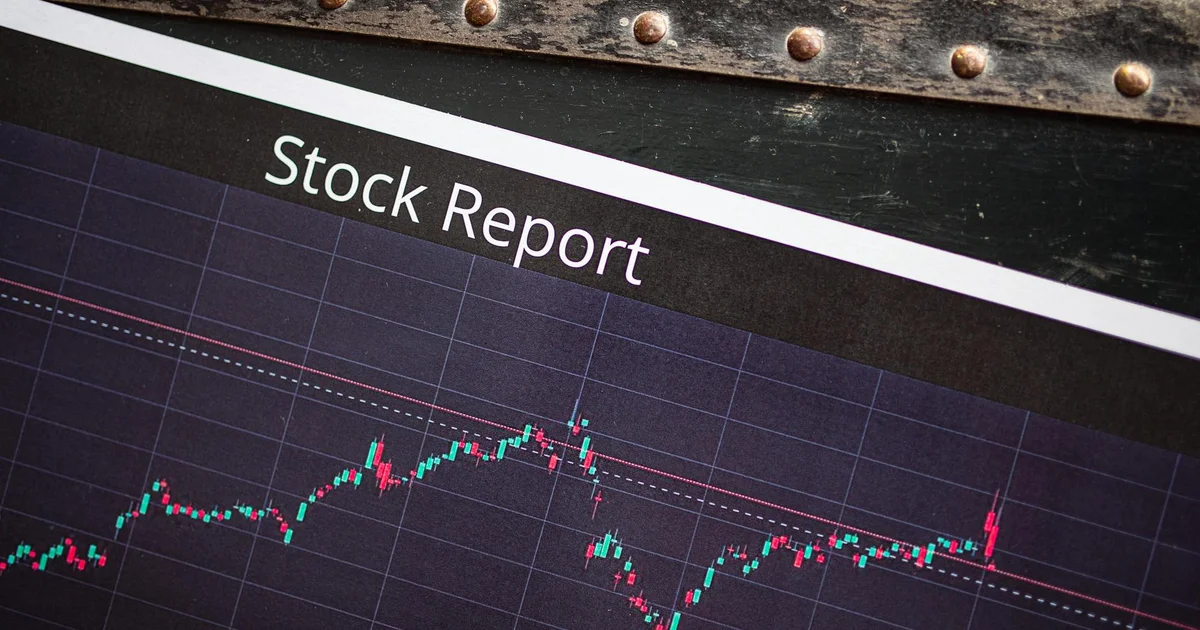 Photo: RDNE Stock project, Pexels
Price anchoring is probably the most widespread type of fake discounts in stores. A chain raises a price by 15-30% seven to fourteen days before a planned promotion, then "cuts" it back to a level equal to or even higher than the original. You buy with a sense of victory and actually pay more than you would have otherwise.
This practice is illustrated by a well-known anecdote from Croatian retail: cashiers quietly warn shoppers not to buy certain items because they "go on sale on Wednesday". That says nothing bad about the cashiers - it says everything about how systematic fake discounts in stores really are, and how widely known the practice is even from the inside. According to Glas Istre research from February 2026, 72% of citizens have encountered such fake discounts. At the European level, the European Commission examined 16,000 online retailers and found that one in four online discounts violates transparency rules.
| Key information | Detail |
|---|---|
| How it works | Price rises 7-14 days before sale, then "falls" |
| Example | Juice at 1.20 EUR hiked to 1.65 EUR, then "sale: 1.39 EUR - save 26 cents" |
| How to detect | Cjenko - check price history for the past 2-3 weeks |
| Legal protection | 30-day lowest price rule limits this practice |
| Prevalence | EU Commission: one in four online discounts violates rules |
Pros (when you know the trick): easy to catch with Cjenko, once learned it becomes automatic, 30-day law provides some protection
Cons: hard to spot without an app, short-term hikes under 30 days partially bypass the law
Our opinion: I recommend checking Cjenko for any "deal" that looks too good - especially for higher-ticket items like coffee, alcohol, deli products and cosmetics. Price anchoring is most common in those categories because prices are flexible and shoppers track them less carefully. Once you see a price graph, you do not need to be an economist to understand what happened.
4. Decode "up to X% off" - selective percentage in the window
 Photo: RDNE Stock project, Pexels
"Up to 70% off!" reads the shop window. You walk in excited, move from shelf to shelf and discover that 70% applies only to a couple of items in an odd size at the back of the store. Everything else is 10-20% cheaper, or not on sale at all. This is known as selective discounting - one of the most common forms of fake discounts in stores in clothing and electronics retail.
The law requires that at least 20% of items be discounted at the percentage shown in the window or advertising. In practice, as shown by the State Inspectorate report on summer 2025 inspections, of 220 inspection visits, 45 violations were found - almost one in every five shops breaks this rule. Seasonal sales in Croatia are legally regulated: the summer sale begins on 1 July, the winter sale on 27 December, and each may last up to 60 days.
| Key information | Detail |
|---|---|
| The trick | Large percentage in the window applies to only a few items |
| Legal minimum | 20% of items must carry the advertised discount percentage |
| Summer sale | Begins 1 July |
| Winter sale | Begins 27 December |
| Duration | Up to 60 days for seasonal sales |
Pros (when you know the trick): you know what to realistically expect, you will not be disappointed, you can go in looking specifically for genuinely discounted items
Cons: sometimes requires checking labels shelf by shelf, the rule is poorly enforced so violations persist for years
Our opinion: When you see "up to X% off", mentally replace it with "maybe one or two items on discount". That is the reality in most Croatian stores. If your goal is to find specifically discounted goods, go in with a list of what you want and check the labels - do not rely on the posters at the entrance. This is especially true in clothing chains and electronics stores where the "up to X%" trick is most common.
5. Uncover psychological pricing - the 9.99 effect and "3 for 2" traps
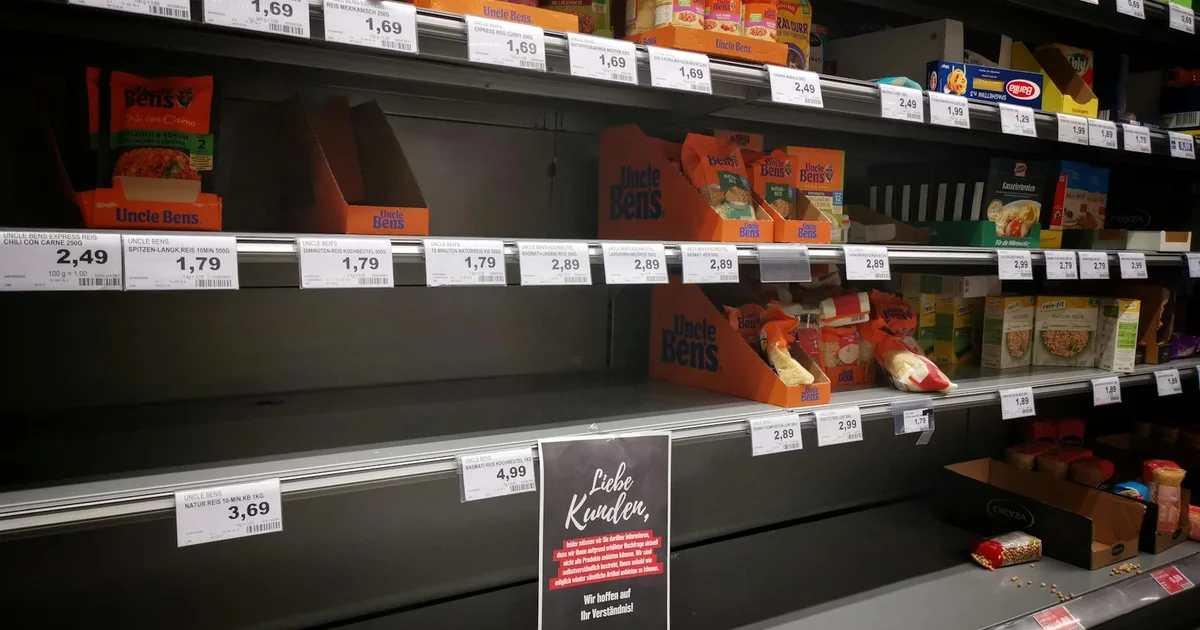 Photo: Roy Broo, Pexels
Psychological pricing is a quiet type of fake discounts in stores that quietly costs us tens of euros a month without us noticing. A price of 9.99 EUR is automatically encoded in the brain as "9 euros" because we read left to right - a 1-cent difference is perceived as a 1-euro saving. According to a price psychology analysis by Lider Media, there are 29 psychological tricks that systematically steer us toward spending more in supermarkets.
The "3 for 2" offer is particularly sneaky. You buy three items when you need one - even if the price is good, you are buying too much and tying up cash in stock. Watch out for pack sizes too: bigger is not always cheaper. Always check the price per kilogram or litre - it must be shown on the label by law. A small 150 g yogurt can be cheaper per kg than the family 1 kg size that "looks like a bargain". Premium brands are systematically placed at eye level, while budget alternatives sit at the bottom or top of the shelf - you literally have to crouch for savings of 30-50%.
| Key information | Detail |
|---|---|
| 9.99 effect | Brain codes 9.99 EUR as "9 euros", not "10 euros" |
| 3-for-2 trap | Pushes you to buy 3x more than you need |
| Price per kg/l | Legally required on all labels - always compare |
| Premium brands | At eye level; budget alternatives at bottom or top shelf |
| Slow music | Deliberately played so shoppers move slower and buy more |
Pros (when you understand the trick): free knowledge you apply immediately, price per kg is always on the label, once aware you automatically filter manipulation
Cons: the 9.99 effect works even when you know about it because it is an automatic brain response, "3 for 2" can genuinely be good for larger households
Our opinion: The most useful practical tip here is specific: always look at the price per kilogram or litre, not the total pack price. And always check the lower shelves, because that is where brands that do not pay for premium placement live - often equal or similar quality. This is especially true for groceries, cosmetics and cleaning products where the difference can reach 40-50%.
6. Usporedilica.hr - plan your shop BEFORE you leave home
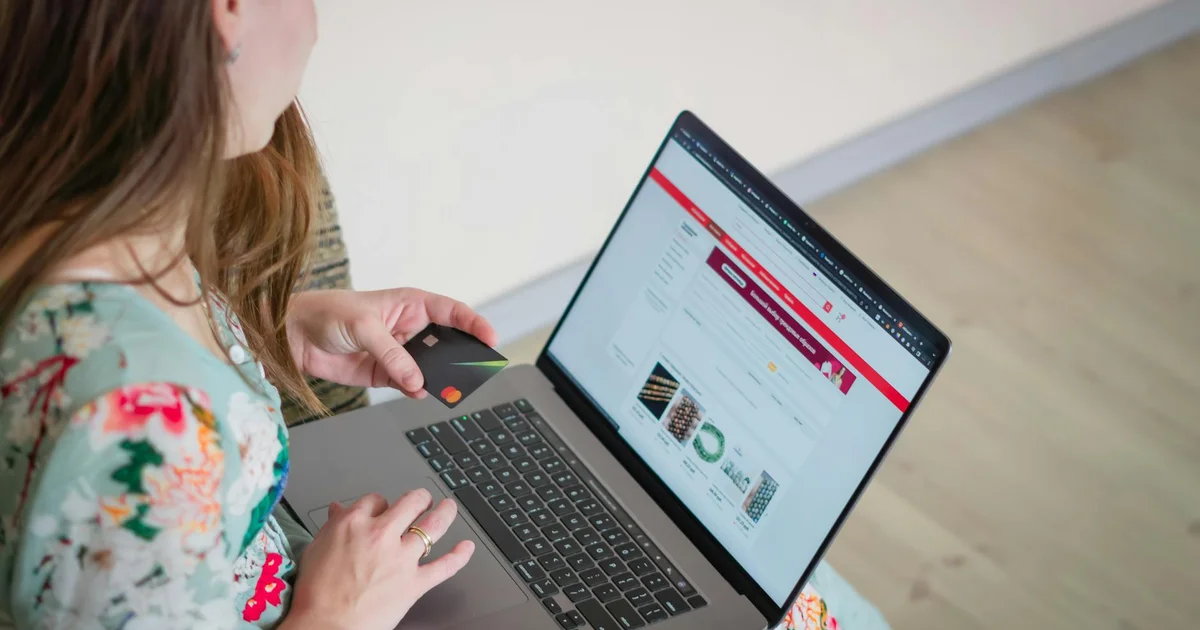 Photo: Marcial Comeron, Pexels
Usporedilica.hr is a free web tool that shows the price of any product across Konzum, Lidl, Kaufland, Spar, Plodine and other chains in seconds - no registration, no app to install. Use it at home before you shop: plan where to buy what and arrive at the store with a clear saving strategy for avoiding fake discounts in stores.
A strategy that works: write your weekly shopping list, check Usporedilica for the cheapest option in each chain, then split the run smartly. Meat and dairy at Lidl, cleaning products at DM, dried fruit at Kaufland - this sounds complicated but can save 15-25 EUR on a big weekly shop. Unlike Cjenko, which is great for instant in-store checks, Usporedilica is your at-home planning tool. Use them together - Usporedilica for home planning, Cjenko at the shop.
| Key information | Detail |
|---|---|
| Coverage | Konzum, Lidl, Kaufland, Spar, Plodine and others |
| Registration | Not required - use immediately |
| Mobile version | Yes - works on your phone in-store |
| Weekly deals | All store catalogues in one place |
| Estimated savings | 15-25 EUR per week for planned shopping |
Pros: no registration or installation, completely free, all catalogues in one place, fast interface, works on mobile in-store
Cons: web tool without push notifications (Cjenko is better for that), price updates can lag, some smaller local stores not included, requires planning ahead
Our opinion: Usporedilica is ideal for planning the weekly shop at the weekend. Friday evening, 10-15 minutes with a shopping list - and you enter the week with a clear strategy and savings of 15-20 EUR. For scanning in-store Cjenko is the better choice, but for planning your weekly route Usporedilica has no match on the Croatian market.
7. Recognise fake urgency - timers, "last units" and FOMO
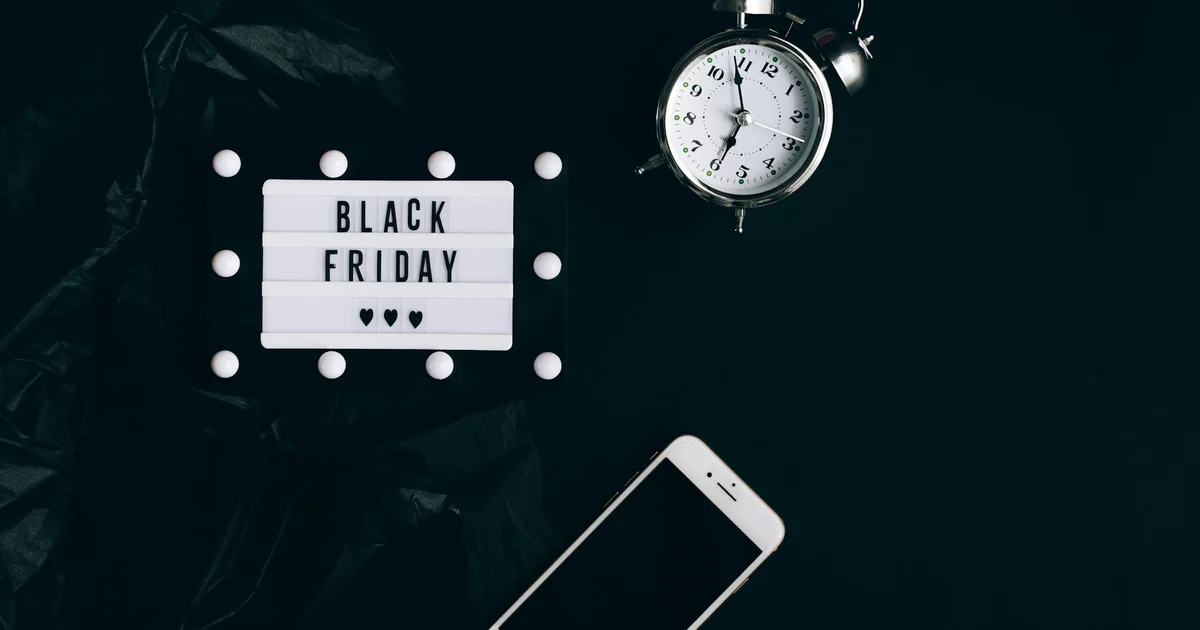 Photo: Leeloo The First, Pexels
"Only 2 items left!" - "Offer expires in 03:47:22" - "1,847 people are viewing this item right now". These are fake urgency tactics - a specific form of fake discounts in stores that triggers FOMO (Fear Of Missing Out) and pushes you toward impulse purchases you would otherwise not make. Online, according to MojNovac.hr research, Shein uses three times more manipulative design elements than Asos, and significantly more than Zara or H&M.
In physical stores, "last units" signs are chronically recycled - items are "last" only until the next delivery, typically within 2-3 days. Black Friday is the classic example: research consistently shows that in 60% of cases prices are the same or higher than the week before the advertised event. The simplest defence is the 24-hour rule - if you see an "urgent" offer, do not buy immediately but wait a day. From experience, 90% of "urgent" deals either last until tomorrow or disappear because they were false.
| Key information | Detail |
|---|---|
| Fake timers | Countdown that resets once it expires |
| "Last units" | Valid only until the next delivery, typically 2-3 days away |
| FOMO manipulation | "X people viewing this" - often a false or inflated number |
| Black Friday | 60% of cases - prices the same or higher than the week before |
| Solution | 24-hour rule - wait a day before any impulse purchase |
Pros (when you recognise the trick): 24-hour rule is simple to apply, eliminates regretted impulse buys, 90% of fake "urgencies" confirm as false within 24 hours
Cons: occasionally real short-term deals get missed, FOMO is a powerful emotion hard to control, requires discipline and awareness
Our opinion: The 24-hour rule is the simplest habit for smart shopping - works online and in stores alike. The only time I would skip it is when you have confirmed via Cjenko that the price is genuinely good, you know you actually need the item, and stock is available at multiple stores. Otherwise - wait. The store will survive, and you will save both money and regret.
Conclusion
| Trick | Tool | Estimated savings | Best for |
|---|---|---|---|
| Label - 30-day rule | Law, your eyes | 5-20 EUR/shop | All shoppers |
| Cjenko app | iOS/Android | 10-25 EUR/week | Everyday shoppers |
| Price anchoring check | Cjenko - price history | 5-15 EUR/shop | Higher-ticket purchases |
| Selective percentage | Label check, attention | Impulse purchase avoided | Seasonal sales |
| Psychological pricing | Calculator, kg label | 3-10 EUR/shop | All shoppers |
| Usporedilica.hr | Web, no registration | 15-25 EUR/week | Weekly planned shop |
| Fake urgency | 24-hour rule | Impulse purchases avoided | Online and in-store |
Spotting fake discounts in stores is not paranoia - it is basic financial literacy that pays off every single week. Croatia still ranks near the bottom of the EU on consumer rights protection, and 72% of shoppers have already experienced price manipulation. The good news is that laws exist and free tools like Cjenko and Usporedilica make a check a one-minute task.
By combining all seven tricks - label checks, price tracking apps, spotting price anchoring, decoding window percentages, understanding psychological pricing, planning purchases and applying the 24-hour rule - you can realistically save 40-60 EUR per week without any drastic lifestyle change. That is 160-240 EUR per month, or nearly 2,000 EUR a year.
If you have personally come across fake discounts in stores that violate the law, report it to the State Inspectorate at inspektorat.gov.hr - every report contributes to systemic consumer protection in Croatia.
Frequently asked questions
How do you spot a fake discount in a shop?
Check the label - the lowest price in the last 30 days must be displayed next to the sale price, a legal requirement since 2022. If those two figures are missing, or if the "original" is higher than the 30-day low, the discount is questionable. For an instant in-store check, use the Cjenko app which shows full price history.
What is the lowest price in 30 days rule and how does it work?
The EU Omnibus Directive, incorporated into Croatian Consumer Protection Law and in force since 28 May 2022, requires all retailers to display the lowest price at which the product was sold in the previous 30 days alongside the sale price. This prevents price hikes before a promotion because the discount must be calculated from the genuine lowest price, not an inflated figure.
What are the most common discount scams in supermarkets?
When it comes to fake discounts in stores, the most common forms according to research and inspection reports are: price anchoring (raising prices 7-14 days before a sale), selective percentages in windows ("up to 70% off" applies to a few items), psychological pricing (9.99 effect, 3-for-2 traps) and fake urgency (timers, "last units"). All four are explained in detail with real examples in this guide.
How can you save 50 EUR per week on groceries?
The key to avoiding fake discounts in stores is combining multiple approaches: plan your shop on Usporedilica.hr and split across chains, use Cjenko in-store to scan barcodes, always check the price per kilogram or litre, apply the 24-hour rule for impulse buys, and shop with a list. With these habits a realistic saving is 40-60 EUR per week, which is up to 2,400 EUR per year.
Which apps track prices in Croatian shops?
Cjenko is the most complete Croatian app - covering 15 or more chains including Lidl, Konzum, Kaufland, DM, Tommy and Plodine, completely free, with a barcode scanner, price history and deal alerts. Usporedilica.hr is an excellent web tool for planning your shop at home - no registration, all catalogues in one place.
How we tested and selected
For this guide on fake discounts in stores we analysed secondary research on consumer habits in Croatia, the provisions of the Consumer Protection Act and EU Omnibus Directive, and publicly available State Inspectorate reports. Each trick was verified against real examples from the Croatian retail market and consumer experiences published in domestic media.
Apps and web tools were evaluated on: coverage of Croatian chains, availability on iOS and Android, presence of a barcode scanner, access to price history, and full free functionality with no restrictions. Priority was given to tools requiring no registration and working without any limitations of a free tier. Download links: Cjenko on Google Play and the Usporedilica.hr web tool.
Sources and references
- Guide to Discounts in Croatia: How the Law Protects You from Fake Sales - Najcijena.hr
- Fake discounts everywhere: 72 percent of citizens had a bad experience - Glas Istre, February 2026
- Borzan: 72 percent of citizens encountered fake discounts - Forbes HR
- Almost everyone shops sales, but most have been scammed at least once - MojNovac.hr
- Market inspectors found 45 violations: Fake discounts and misleading consumers - Mnovine.hr
- Usporedilica.hr - free price comparison in Croatia
- 29 psychological tricks that make us spend more - Lider Media
Related articles: