


If you sold shares, ETFs or cryptocurrencies at a profit last year, the tax on stocks and crypto probably applies to you too. In Croatia, capital gains are taxed as income from capital at a rate of 12 percent, but with one big relief: if you held the asset for more than two years, the gain is fully exempt. Reporting is done on the JOPPD form, and the deadline is the last day of February for gains from the previous year. In this guide we explain the rules and show how to report capital gains step by step.
This guide is for ordinary investors who trade on their own through domestic or foreign brokers. It is not a substitute for tax advice, so for more complex situations check with the Tax Administration or a tax advisor. All rules are backed by sources, and where something is uncertain, we say so clearly.
Tax on stocks and crypto - quick overview
| Item | Rule (2026/2027) |
|---|---|
| Tax rate | 12 percent on capital gains (no surtax) |
| Exemption | gain exempt if the asset is held for more than 2 years |
| Cryptocurrencies | same treatment as shares; tax only on conversion to euro or payment |
| Reporting deadline | last day of February for gains from the previous year |
| Threshold | no obligation if the gain is up to 16.70 EUR or the tax is under 2.00 EUR |
| Losses | offset against gains only within the same year, no carry-forward |
This table sums up the tax on stocks and crypto in a few rows; we cover each item in seven points below.
1. The tax rate is 12 percent
Capital gains from financial assets, which include shares, ETFs, bonds, fund units and cryptocurrencies, are taxed as income from capital at a flat rate of 12 percent. This rate applies to gains realised in 2024, 2025 and 2026.
Until 2024 the tax was 10 percent plus surtax, which depended on the city of residence. The tax reform abolished the surtax, so it is now a flat 12 percent with no add-ons. This matters because capital income is not part of the annual progressive tax rate (the lower and higher rates on salary); it is taxed separately and finally, under the Tax Administration's rules on income from capital.
Our opinion: A flat 12 percent rate is actually easy to plan for. Set aside 12 percent of the gain right after every sale; that way the tax on stocks and crypto will not surprise you when the filing deadline comes.
2. Exemption after two years of holding
The most important relief for long-term investors is the exemption after two years. If more than two years have passed from acquisition (purchase) to disposal (sale or exchange) of the financial asset, the realised gain is not taxed, regardless of the amount.
Tax is therefore due only if three conditions are cumulatively met: the asset was disposed of, no more than two years passed since acquisition, and a gain was realised on that basis. In practice this means that if you hold shares or crypto for more than two years before selling, you have neither a tax liability nor a reporting obligation.
Our opinion: This rule rewards patience. Before you sell an asset close to the two-year mark, check the exact purchase date of each tranche; sometimes it pays to wait a few more weeks so the gain falls under the exemption.
3. Crypto has the same treatment, tax only on cashing out
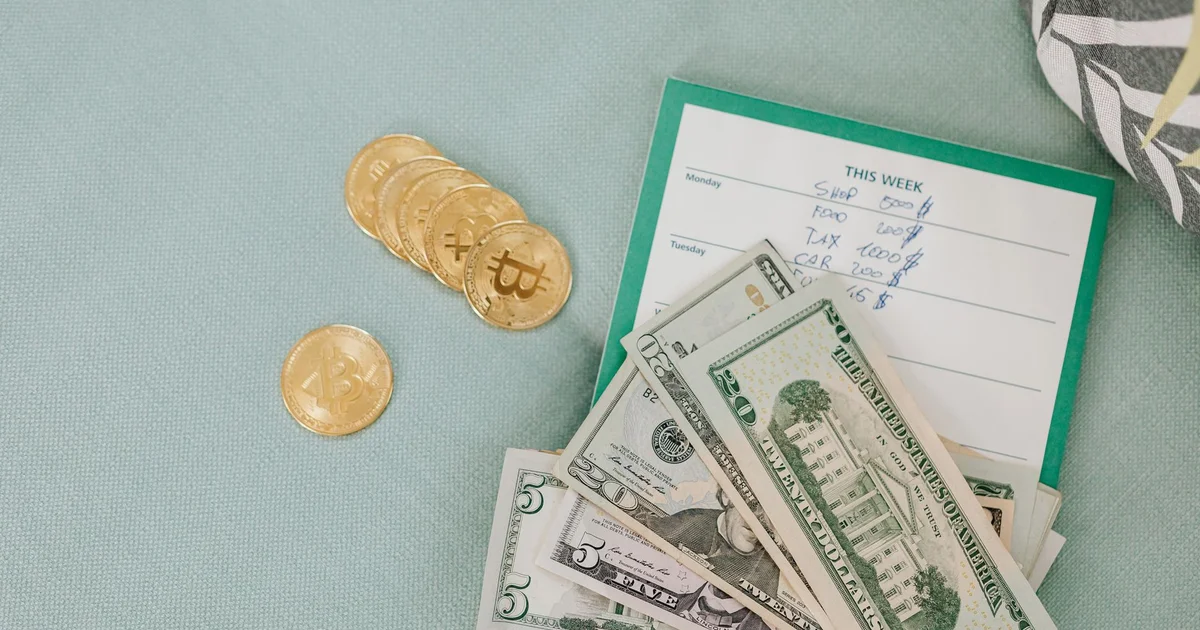 Photo: Kaboompics, Pexels
Croatia treats income from trading cryptocurrencies as income from capital, which means the same 12 percent rate and the same exemption after two years of holding. Crypto is therefore no different from shares in tax terms.
The key specific is the moment the tax liability arises. According to the interpretation reported by Confida, exchanging one cryptocurrency for another (crypto for crypto) is not a taxable event. The tax liability arises only when you exchange crypto for an official (fiat) currency such as the euro, or pay for goods or a service with it, and only if a positive difference was realised. Simply holding or buying crypto is not taxable.
Since this interpretation is based on the Tax Administration's position rather than an explicit legal provision, check whether it is still in force before filing.
4. Reporting on the JOPPD form by the end of February
Capital gains are reported on the JOPPD form through the ePorezna system. The deadline for calculation and payment is the last day of February of the current year, for gains realised in the previous year. For gains from 2026, the deadline is the end of February 2027.
Here you need to be careful about the exact date. Since 28 February 2027 falls on a Sunday, the deadline probably moves to the next working day, so check the exact date with the Tax Administration. A similar shift happened in earlier years when the last day of February fell on a weekend.
Who files depends on where you traded. A domestic broker, bank or the SKDD central depository can file the JOPPD on your behalf. For gains realised through foreign brokers such as Interactive Brokers, Trading 212 or Revolut, according to RiF's guidance the taxpayer calculates the gain and files the form themselves.
5. The threshold below which there is no filing, and offsetting losses
Not every small profit has to be reported. If the total gain is up to 16.70 euros, or the tax amount is under 2.00 euros, there is no obligation to file the JOPPD or pay tax.
Losses can be offset against gains, but only within the same calendar year. This means tax is paid on the net positive difference of all gains and losses in that year. According to the overview of investment tax in Croatia, a loss cannot be carried into the next year, so there is no loss carry-forward into a later period.
Our opinion: If you realised both gains and losses during the year, consider realising a loss before year-end to reduce your net taxable gain. Since a loss is not carried forward, it can only be used in the year it occurred.
6. The FIFO method and deductible costs
When you bought the same share or cryptocurrency several times at different prices, the FIFO method, meaning "first in, first out", is mandatory for calculating the acquisition value. This determines which tranches are considered sold and at what acquisition price.
The tax base is reduced by deductible costs. These include broker commissions, exchange and marketplace fees, custody fees and transaction fees. So keep all receipts and statements, as they directly reduce the tax.
Regular, for example monthly, investing in ETFs requires special care. Each individual purchase has its own acquisition date that is tracked separately, which matters for calculating the two-year exemption period.
7. Dividends and upcoming changes
 Photo: Mikhail Nilov, Pexels
Dividends are related to capital gains but treated separately. They are taxed as income from capital at 12 percent, where domestic dividends are automatically withheld by the payer or bank, while foreign dividends are self-reported by the taxpayer. It is important to know that the two-year exemption does not apply to dividends; that relief applies only to capital gains, as the Tax Administration states.
Finally, increased oversight is coming. From 2026, crypto assets become more transparent to tax authorities through automatic exchange of information (known as DAC8, or CARF). This means data on your crypto transactions will be available to tax authorities, so keeping orderly records of all purchases and sales matters more than ever.
How to report capital gains step by step
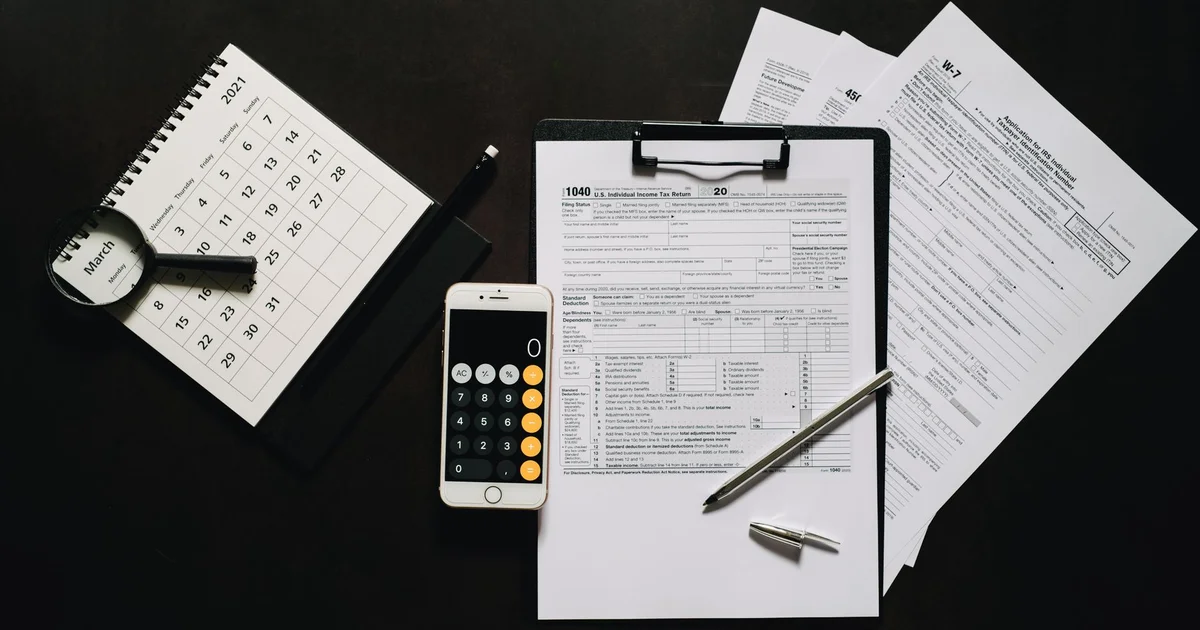 Photo: Leeloo The First, Pexels
If you owe tax on stocks and crypto, you can boil the reporting process down to five steps:
- Calculate the gain using FIFO. For each sale, determine the acquisition price of the oldest tranches and subtract it from the sale price.
- Subtract deductible costs. Deduct broker commissions, fees and transaction costs from the gain to get the net gain.
- Offset losses against gains. Add up all gains and losses within the same year; tax is paid only on the net positive difference.
- Fill in the JOPPD form in the ePorezna system. If the gain is above the 16.70-euro threshold, enter the capital gain details; for gains via foreign brokers you do this yourself.
- Pay the tax by the deadline. Make the payment and filing by the last (working) day of February for gains from the previous year.
For larger or more complex portfolios, especially with several foreign brokers and crypto exchanges, it pays to hire an accountant or tax advisor to do the calculation for you.
Our opinion: If you trade through foreign platforms, save statements and transaction confirmations throughout the year. The tax on stocks and crypto is far easier to report when you are not scrambling for data in the last week of February.
Conclusion
The tax on stocks and crypto in Croatia is simpler than many think: the rate is a flat 12 percent, the gain is exempt after two years of holding, and reporting is done on the JOPPD form by the end of February. Crypto is treated the same as shares, with the important difference that tax arises only when converting to euro or paying, not when exchanging crypto for crypto.
For most long-term investors the key message is simple: if you hold the asset for more than two years, there is no tax. For active traders, the most important thing is keeping orderly records of all transactions, as from 2026 tax authorities receive more and more data on crypto activity.
Understanding the tax on stocks and crypto comes down to three numbers: the 12 percent rate, the two-year exemption and the end-of-February deadline. Note that this text is not tax advice but an informational guide. Tax rules change, and certain situations (inheritance, gifts, business accounts, multiple jurisdictions) have special rules. For your specific case, check the current information on the Tax Administration's pages or consult a tax advisor.
If you are just building an investment portfolio, see our guides to the best crypto exchanges, the best investment platforms for Croatians and the current crypto trends.
Frequently asked questions
How much is capital gains tax in Croatia?
Capital gains tax on financial assets (shares, ETFs, cryptocurrencies) is 12 percent and is taxed as income from capital. Since the surtax was abolished in 2024, the rate is a uniform 12 percent and does not change according to the city of residence.
When is no tax paid on shares?
No tax is paid if you held the shares or other financial asset for more than two years before selling; the gain is then exempt regardless of the amount. No tax is also paid if the total gain is less than 16.70 euros, or the tax is under 2.00 euros.
Is crypto taxed in Croatia?
Yes. Income from trading cryptocurrencies is taxed as income from capital at 12 percent, with the same exemption after two years of holding. Exchanging crypto for crypto is not taxable; tax arises only when you exchange crypto for euro or pay for goods or a service with it, at a profit.
How do you report tax on stocks and crypto?
Reporting is done on the JOPPD form through the ePorezna system. For gains via a domestic broker, bank or the SKDD depository they can file the form for you; for gains via foreign brokers (e.g. Interactive Brokers, Trading 212, Revolut) you calculate the net gain yourself using FIFO, file the JOPPD and pay the tax.
By when must capital gains be reported?
The deadline is the last day of February of the current year for all gains realised in the previous year. For gains from 2026 the deadline is the end of February 2027; since 28 February 2027 falls on a Sunday, check the exact working day. An exception are units not transferable on the market (e.g. a stake in a limited company), reported within 8 days of a decision.
Can I offset losses against gains?
Yes, but only within the same calendar year; tax is paid on the net positive difference of gains and losses. A loss cannot be carried into the next year, so there is no carry-forward into a later tax period.
How we researched this
We gathered data from the official pages of the Tax Administration on income from capital and from expert sources such as RiF, the tax advisor Confida and the investment-tax overview by the ProjektHrvatska portal. We cross-checked the key figures, the 12 percent rate, the two-year exemption and the end-of-February deadline, on several sources. We are cautious about two rules: the exact deadline date for 2026 gains depends on the working day (28 February 2027 is a Sunday), and the treatment of crypto-for-crypto exchange rests on a Tax Administration interpretation that could change. We therefore recommend checking the current position before filing. This article is informational and does not constitute tax advice.
Sources
- Tax Administration - income from capital, capital gains
- Tax Administration - taxation of capital
- Tax Administration - income from dividends and profit shares
- RiF - capital gains tax and the JOPPD filing obligation
- Confida - taxation of cryptocurrencies in Croatia
- ProjektHrvatska - investment tax in Croatia 2026
Related articles: