
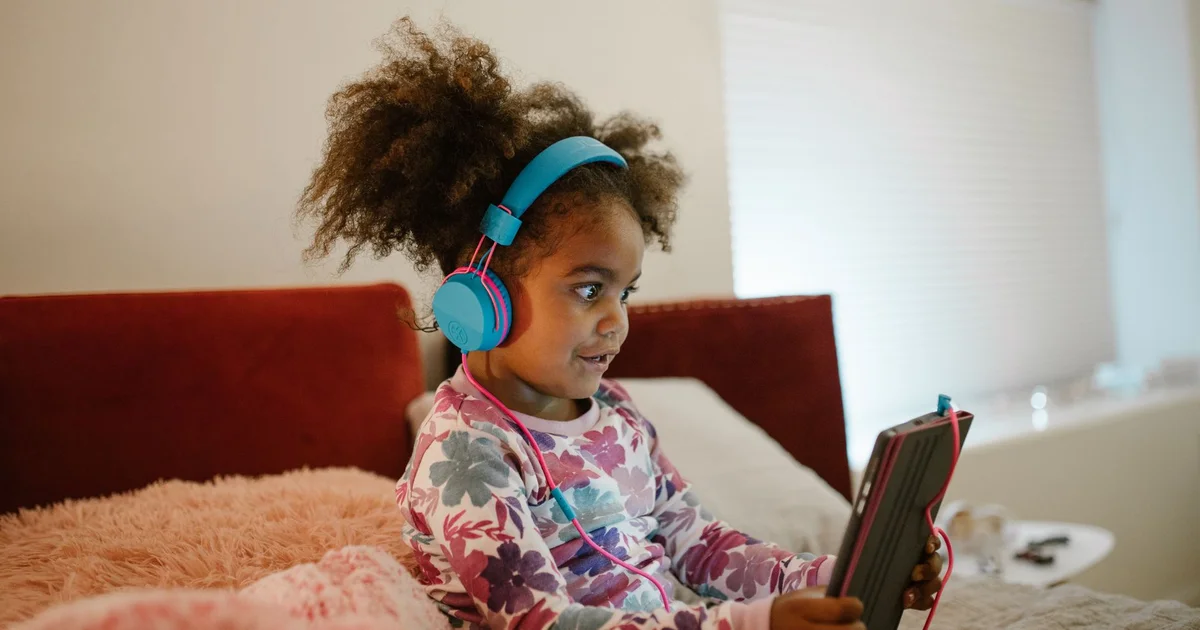

When a child gets a tablet, headphones are the next purchase, and this is where people go wrong the most. Ordinary headphones can reach a level that damages hearing over time, so the best kids headphones have built-in volume limiting to around 85 decibels. That limit is crucial, but it is not magic: even a moderate volume over too long a time is harmful, so good headphones go together with breaks. In this guide we picked seven models, from wired and wireless to ones for the youngest and for online learning, and for each we say plainly who it is for and what to realistically expect.
This article is for parents choosing headphones for a child, whether for cartoons on a trip or for distance learning. We will be honest: no headphones, however good, replace supervising how loud and how long a child listens.
Quick overview: comparing kids headphones
| Rank | Model | Type | Volume | Price | Best for |
|---|---|---|---|---|---|
| 1 | JLab JBuddies Studio | Wired, over-ear | 85 dB | ~30 EUR | Best overall |
| 2 | Belkin SoundForm Mini | Wireless, over-ear | 85 dB | ~35 EUR | No cable |
| 3 | iClever wired | Wired, over-ear | 85 dB | ~18 EUR | Budget |
| 4 | Snug Play+ | Wired, soft | Limited | ~25 EUR | For toddlers |
| 5 | JBL JR310BT | Wireless, over-ear | 85 dB | ~45 EUR | Premium |
| 6 | Belkin SoundForm Nano | In-ear, wireless | 85 dB | ~30 EUR | Older kids |
| 7 | PowerLocus Bluetooth | Wireless, with mic | Limited | ~28 EUR | Online learning |
1. JLab JBuddies Studio
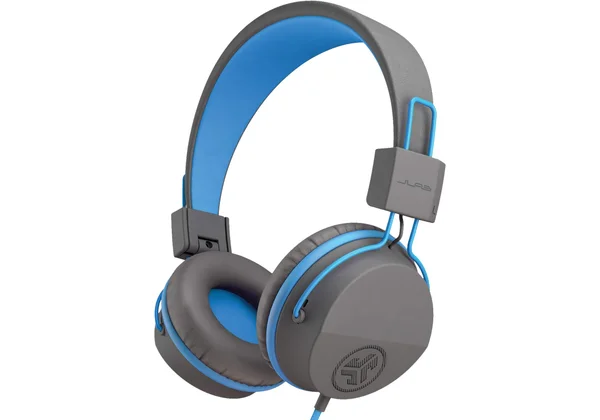 Photo: JLab
If you want one pair that does everything, this is the right choice. The JLab JBuddies Studio are wired over-ear headphones with volume limiting to 85 decibels, and they are foldable and have an audio-sharing port for other headphones. That sharing is worth gold in the car when two children watch the same film from one tablet.
The build is durable, as it must be for children's hands, and the cable means they never go flat mid-lesson. The sound is basic and not audiophile, and the cable bothers some children, but for reliability, safe volume and practicality it is hard to find a better all-round choice.
| Specification | Detail |
|---|---|
| Volume | Limited to 85 dB |
| Type | Over-ear, wired |
| Practicality | Foldable, sharing port |
| Use | School, tablet and travel |
Pros: volume limiting to 85 dB, foldable and durable, an audio-sharing port.
Cons: the cable bothers some children and the sound is basic, not audiophile.
Our Opinion: for most families this is the smartest choice. The sharing port alone justifies the purchase for anyone who travels with children.
2. Belkin SoundForm Mini Wireless
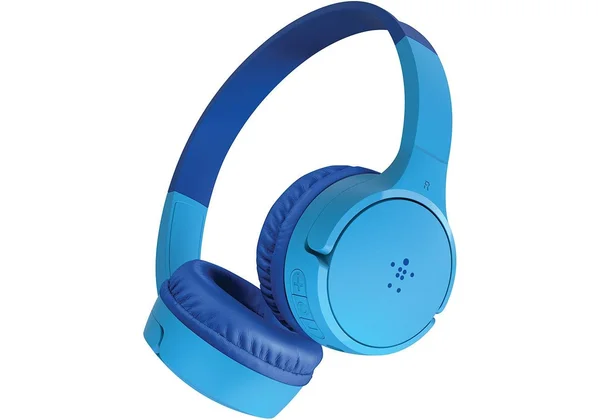 Photo: Belkin
When the cable becomes a nuisance, wireless arrives. The Belkin SoundForm Mini are Bluetooth over-ear kids headphones with volume limiting to 85 decibels and a long battery, so there is no tangled cable and no interruptions. A cable usually comes in the box in case the battery runs out, a smart addition.
The convenience of no cable is most appreciated on a tablet and on trips, where the child moves freely. The price is a little higher than wired models, and they need regular charging, but for freedom of movement and safe volume many parents happily pay that difference.
| Specification | Detail |
|---|---|
| Connection | Bluetooth, no cable |
| Volume | Limited to 85 dB |
| Battery | Long runtime |
| Extra | Cable in the box for emergencies |
Pros: no cable and practical, volume limiting 85 dB, long battery.
Cons: they need charging and are pricier than wired.
Our Opinion: if a child dislikes a cable or moves a lot, wireless solves the problem. For online learning, though, consider a model with a microphone.
3. iClever Kinderkopfhörer
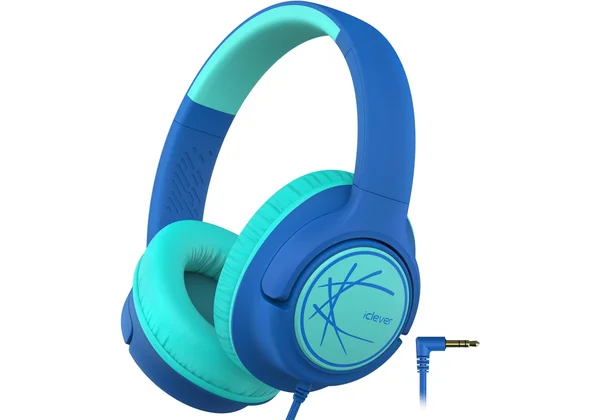 Photo: iClever
Not every child needs a thirty-euro pair. The iClever wired kids headphones offer volume limiting to 85 decibels and a foldable design at a far lower price. For a tablet, cartoons and basic online learning that is quite enough, and the safe volume is the same as on pricier models.
The build is simpler, and some versions lack a microphone, so check whether you need one for calls. But if you want an honest first pair of headphones that protects hearing without overspending, this is the logical choice. They are light and fit easily into a backpack.
| Specification | Detail |
|---|---|
| Volume | Limited to 85 dB |
| Type | Over-ear, wired |
| Design | Foldable, light |
| Price | Very affordable |
Pros: very affordable, volume limiting 85 dB, light and foldable.
Cons: a simpler build and some versions lack a microphone.
Our Opinion: a smart choice for a lower budget and younger children. For online learning with a lot of talking, take a model with a microphone instead.
4. Snug Play+
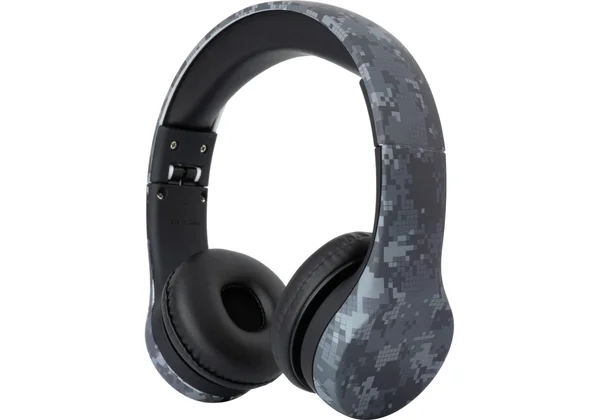 Photo: Snug
The youngest ears need especially soft and durable headphones. The Snug Play+ are designed for small children, with soft pads comfortable on a sensitive head and a build that withstands rough handling. They have limited volume and an audio-sharing port, so two children can listen to the same content.
They are intended from about three years, when in-ear headphones are not yet suitable. The sound is basic, and being wired they can tangle, but for preschoolers just starting to use a tablet, comfort and toughness matter more than anything.
| Specification | Detail |
|---|---|
| Age | For the youngest, from about 3 |
| Build | Soft and durable |
| Volume | Limited volume |
| Sharing | Audio-sharing port |
Pros: soft and comfortable for little ones, resistant to rough handling, audio sharing between children.
Cons: basic sound quality and the cable can tangle.
Our Opinion: for a three- or four-year-old there is hardly a more suitable choice. Comfort and toughness here matter more than sound.
5. JBL JR310BT
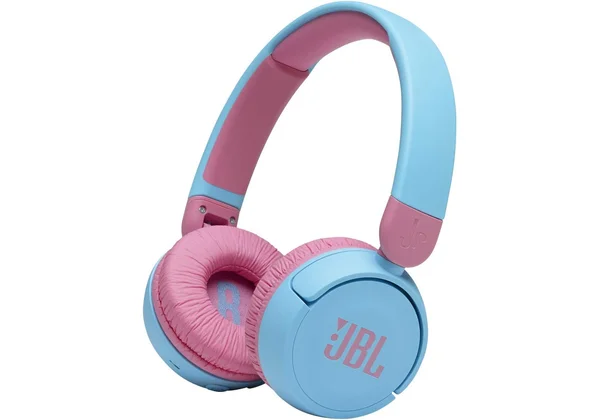 Photo: JBL
If you want the quality of a well-known audio brand, the JBL JR310BT are a step up. These wireless kids headphones bring the recognisable JBL sound with volume limiting to 85 decibels, comfortable pads and a long battery. For a child who listens to a lot of music and content, the difference in sound is felt.
They are the most expensive on the list, and for the youngest they may be a little too big, so they suit schoolchildren better. But if you want a blend of better sound and safe volume in a durable package, JBL is a safe choice that lasts.
| Specification | Detail |
|---|---|
| Sound | Quality JBL sound |
| Volume | Limited to 85 dB |
| Connection | Bluetooth |
| Comfort | Soft pads, long battery |
Pros: better sound than average, volume limiting 85 dB, comfortable and durable.
Cons: the most expensive on the list and possibly too big for the youngest.
Our Opinion: for a child who enjoys music and values sound, the extra cost pays off. For preschoolers take a softer, simpler model instead.
6. Belkin SoundForm Nano Kinder
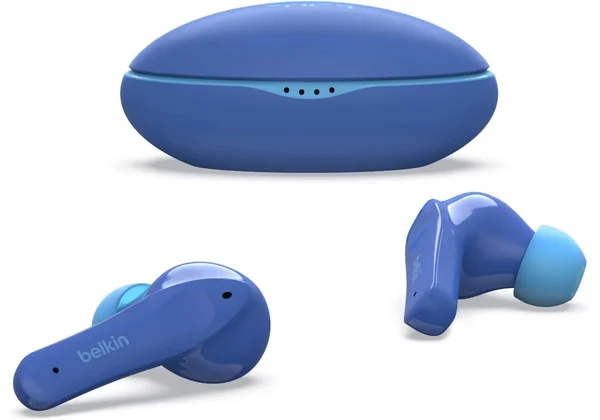 Photo: Belkin
Some older children dislike over-ear headphones, so in-ear arrives. The Belkin SoundForm Nano are wireless earbuds with volume limiting, small and light to carry. For a child who wants discreet headphones instead of a big band on the head, this is a handy solution.
One thing must be clear: in-ear headphones are less suitable for the youngest, both for comfort and hygiene, so they are primarily for older children. They also get lost more easily than over-ear. But for teens and schoolchildren who want something small and modern, with safe volume they are a good choice.
| Specification | Detail |
|---|---|
| Type | In-ear buds, wireless |
| Volume | Limited to 85 dB |
| Size | Small, light |
| Age | For older children |
Pros: small and portable, volume limiting 85 dB, no over-ear band.
Cons: in-ear are less suitable for the youngest and get lost more easily.
Our Opinion: a good choice for older children who avoid over-ear headphones. For preschoolers stick to over-ear models.
7. PowerLocus Kinderkopfhörer Bluetooth
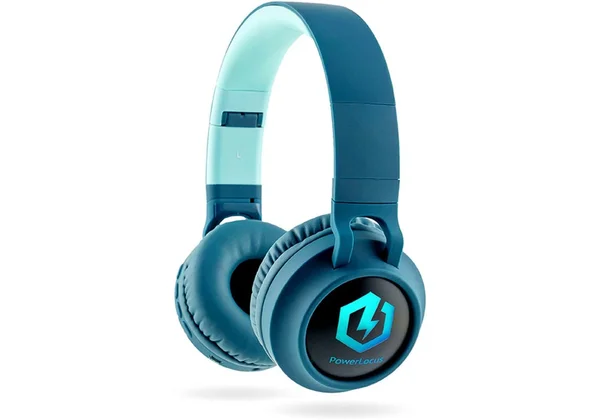 Photo: PowerLocus
For online learning and video calls headphones need a microphone, and the PowerLocus has one. These Bluetooth kids headphones have a built-in microphone and limited volume, and work both wirelessly and over a cable, so they adapt to both a language lesson and a call with grandma. They are foldable and durable for daily trips to school.
The sound is basic, and the microphone is average quality, enough for lessons but not for recording. But for a child who has online classes or learns a language through an app, the ability to hear and speak through the same headphones is a great convenience.
| Specification | Detail |
|---|---|
| Microphone | Built-in for calls |
| Connection | Bluetooth and wired mode |
| Volume | Limited volume |
| Use | Online learning and study |
Pros: a microphone for online learning, Bluetooth and wired mode, foldable and durable.
Cons: the sound is basic and the microphone is average quality.
Our Opinion: for a child with online classes the microphone is the decisive advantage. For pure music listening JBL offers better sound.
Kids headphones: a buying guide
When choosing headphones for a child, a few things decide whether you will be satisfied and, more importantly, whether hearing will be protected. Here is what to look at before buying.
Volume limiting matters most. Good kids headphones limit the volume to around 85 decibels, the level experts recommend for hearing protection. That is the first thing to check, because ordinary headphones without a limit can go much louder.
Listening time matters just as much. Even the best limit does not protect if a child listens for hours without a break. So alongside safe volume the habit of regular breaks matters. The limit reduces risk, but parental supervision of how long a child listens remains irreplaceable.
Wired or wireless depends on age and use. Wired are more reliable, cheaper and need no charging, so they are great for online learning and younger children. Wireless are more practical without a cable, but need charging. For the youngest, over-ear headphones are better than in-ear for comfort.
Check the extras you will use. An audio-sharing port is useful in the car when two children watch the same content. A microphone matters for online learning and calls. A foldable design makes carrying in a backpack easier, and soft pads matter for longer wear.
Conclusion
For most children the best choice is the JLab JBuddies Studio because they combine safe volume, durability and practical audio sharing. For wireless freedom there is the Belkin SoundForm Mini, for the lowest budget the iClever, and for online learning the PowerLocus with a microphone. Whatever you choose, volume limiting and breaks remain the most important.
| Buyer profile | Recommendation | Price |
|---|---|---|
| Best overall | JLab JBuddies Studio | ~30 EUR |
| No cable | Belkin SoundForm Mini | ~35 EUR |
| Lowest budget | iClever wired | ~18 EUR |
| For the youngest | Snug Play+ | ~25 EUR |
| Premium sound | JBL JR310BT | ~45 EUR |
| Older kids (in-ear) | Belkin SoundForm Nano | ~30 EUR |
| Online learning | PowerLocus Bluetooth | ~28 EUR |
Frequently asked questions
What are the best kids headphones?
For most children the best are over-ear kids headphones with volume limiting to 85 dB, like the JLab JBuddies Studio for wired or the Belkin SoundForm Mini for wireless. For the youngest, soft and durable ones are chosen, and for online learning ones with a microphone. Leading brands are JLab, Belkin and JBL.
How many decibels is safe for a child?
For children a volume of up to about 85 decibels is recommended, which is why good kids headphones have a built-in limit at that level. The World Health Organization also stresses listening time, so a rule of moderate volume and regular breaks applies. The limit helps, but does not replace parental supervision.
Wired or wireless headphones for a child?
Wired kids headphones are more reliable and cheaper and need no charging, so they are great for online learning and younger children. Wireless are more practical because there is no cable in the way, but they need charging and cost more. The choice depends on the child's age and whether they use the headphones more at home or on the move.
Do kids headphones protect hearing?
Kids headphones with volume limiting to 85 decibels reduce the risk of hearing damage because they prevent listening too loudly. But protection is not complete, because even a moderate volume over a long time can harm. So alongside the limit, breaks and supervising how long a child listens matter too.
From what age headphones for a child?
Over-ear kids headphones with volume limiting are suitable from about three years, in a soft and durable form for the youngest. For smaller children over-ear are better than in-ear for comfort and hygiene. At every age it is important to watch the volume and the listening time.
Are in-ear headphones bad for children?
In-ear headphones are not necessarily bad, but for the youngest children over-ear headphones are more practical and comfortable and easier to keep at a reasonable volume. For older children in-ear models with volume limiting are quite fine. What matters is that they fit well and that volume and listening time are respected.
How we chose
In selecting the best kids headphones we relied on safe-listening recommendations from the World Health Organization, explanations of volume-limiting headphones from Which?, and guidance on protecting children's hearing from the CDC. The emphasis is on volume limiting, comfort and suitability for age, not on the number of features.
Sources
- World Health Organization - safe listening
- Which? - volume-limiting headphones
- CDC - protecting children's hearing
- JLab - kids headphones
- Belkin - SoundForm kids audio
- NHS - noise and hearing loss
Related articles: best kids tablets, best instruments for beginners and top 7 STEM toys for kids.