
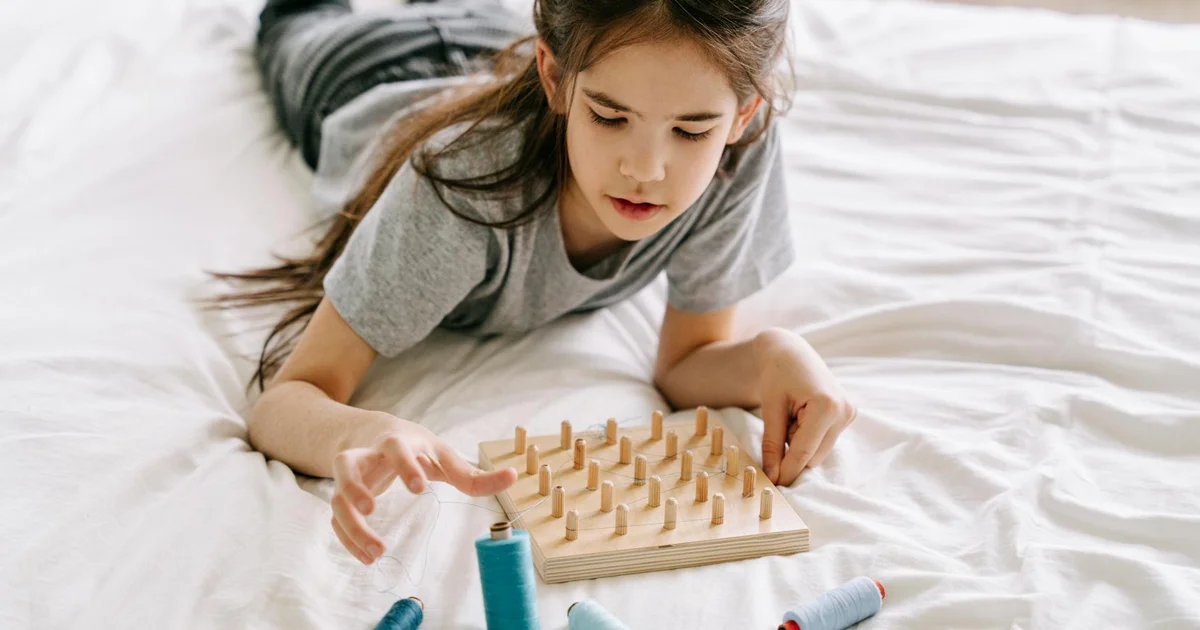

Most parents wonder which hobbies actually develop children's brain - and whether those are the activities kids naturally enjoy. The answer isn't mysterious: neuroscience has documented it well. This article covers seven hobbies that develop children's brain with proven cognitive effects, ranked by how many brain areas they engage, how quickly they produce results, and what they cost.
Quick overview: Top 7 hobbies that develop children's brain in 2026
These are 7 hobbies that develop children's brain according to neuroscientific criteria - with recommended age, weekly commitment, and costs:
| Rank | Hobby | Recommended age | Weekly | Cost | Best for |
|---|---|---|---|---|---|
| 1 | Playing a musical instrument | 3-7 yrs | 15-30 min/day | Medium-high | Children who love music and want comprehensive development |
| 2 | Chess | 5-8 yrs | 2-3x30-60 min | Low | Children who love logic and challenges |
| 3 | Reading books | From birth | 1.5-2 h/day | Low (library) | All children, especially for emotional regulation |
| 4 | Drawing and painting | From 2 yrs | 3-4x30-45 min | Low | Visual types who enjoy self-expression |
| 5 | Dance | From 3 yrs | 3x45-60 min | Medium | Children who love music and movement |
| 6 | Coding and programming | 5-7 yrs | 2-3x30-60 min | Low (free online) | Children who love logic and problem-solving |
| 7 | Puzzles and logic games | From 2 yrs | 6+x20-30 min | Low | Children interested in math and STEM |
1. Playing a musical instrument - The strongest of all hobbies that develop children's brain
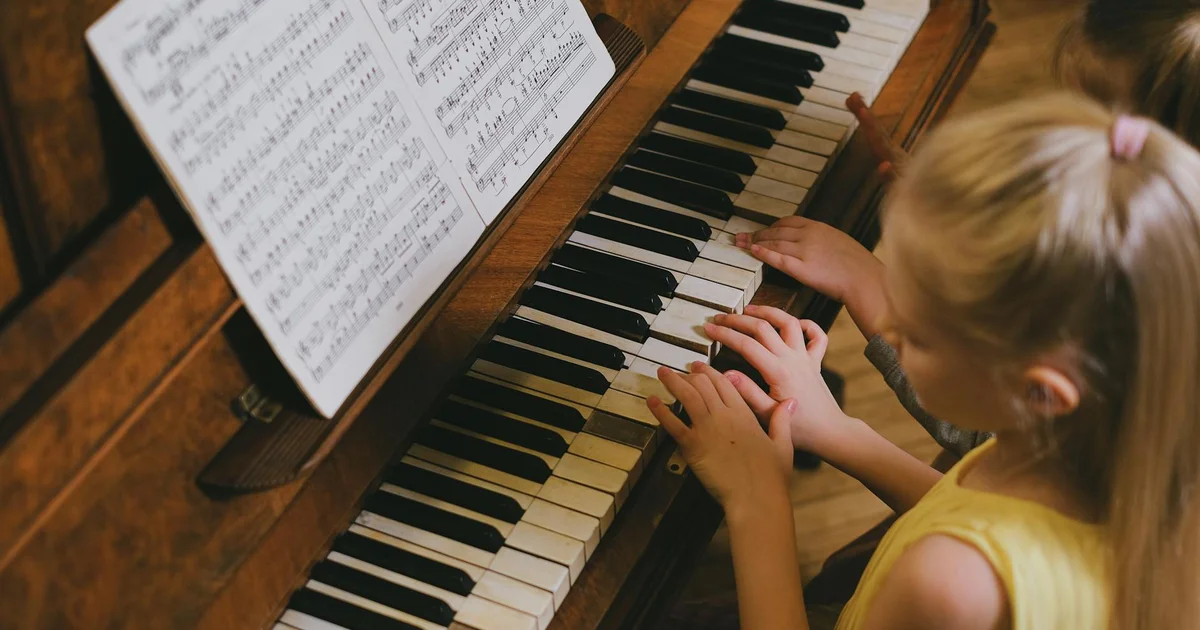 Photo: Anna Shvets, Pexels
Playing a musical instrument is the only activity that simultaneously engages the motor, auditory, visual, and emotional cortex of the brain. While a child practices piano or violin, both brain hemispheres work in parallel - the left processes rhythm and note reading, while the right handles emotional interpretation. According to a 2025 Nature Scientific Reports study, musical training accelerates the maturation of the auditory pathway and increases gray and white matter in motor and auditory brain regions. No other activity achieves this range of effects.
University of Southern California research followed children through years of music education and concluded that instrumental training has a "unique, broad range of long-term effects" not observed in any other activity, including sports. The American Psychological Association (APA) confirmed that children who received a year of music instruction score an average of 3 IQ points higher than peers without musical training.
| Feature | Detail |
|---|---|
| Recommended age | 3-5 yrs (rhythm and singing), 5-7 yrs (formal instrument lessons) |
| Weekly duration | 15-30 min daily for beginners, 30-45 min for advanced |
| Cognitive focus | IQ, verbal memory, language skills, executive functions |
| Cost | 30-80 EUR/hour for lessons + instrument cost |
Advantages: Increases IQ by an average of 3 points, improves verbal memory and language skills, develops executive functions (planning, self-control, focus), structural brain changes visible after just one year of training, better math and reading ability.
Disadvantages: Instrument lessons can be expensive (30-80 EUR/hour), requires discipline and regular practice which children often experience as an obligation, progress is slow at first and can discourage, instrument equipment is an additional cost.
Our opinion: Musical instrument is the only activity with such a broad spectrum of proven brain benefits. If you're choosing just one hobby for a child, this is the hardest but most rewarding investment. Start with a recorder or kalimba - they're cheap and children progress quickly, building motivation to continue.
2. Chess - Logic and strategic thinking from age five
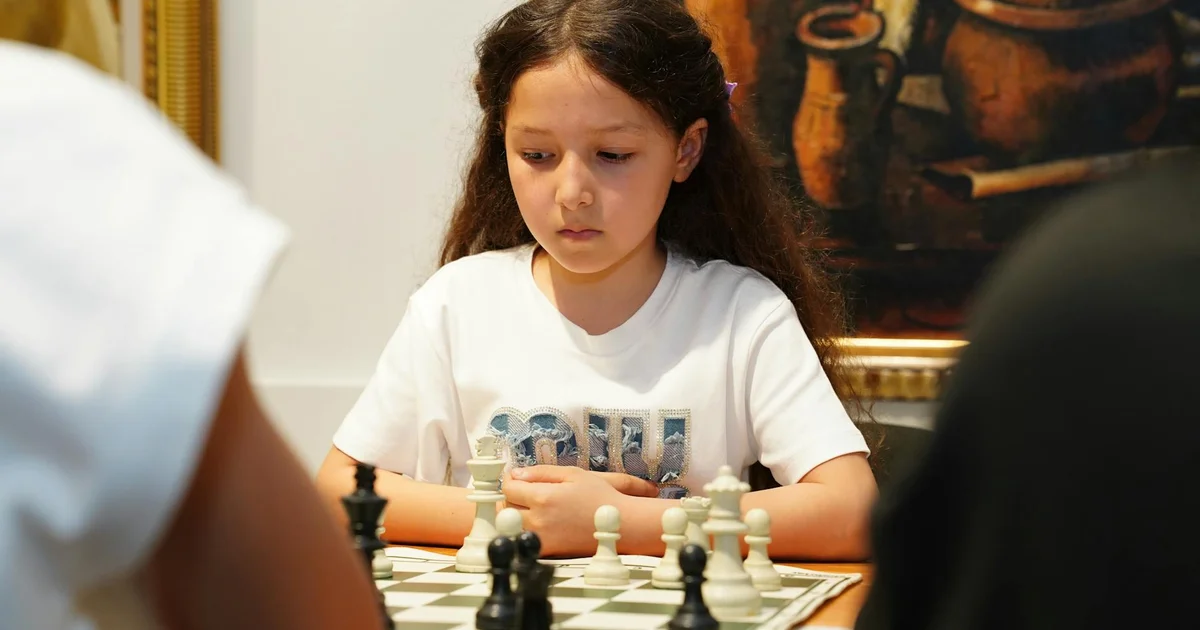 Photo: Tahir Xəlfəquliyev, Pexels
Chess is among hobbies that develop children's brain one of the few whose effects are measured in concrete academic outcomes. A meta-analysis of 40 studies published in Frontiers in Psychology 2025 shows an effect size of 0.338 on children's academic performance - not a small number for an activity that costs almost nothing. Brain scans of chess players show simultaneous activation of the frontal lobe (strategy), hippocampus (memory), and parietal cortex (spatial reasoning).
A PLOS One study followed children who played chess 10 weeks in a row and recorded significantly better math and reading scores. Tournament players achieve up to 30-50% better math results, according to a PMC review of chess in child development.
An additional unexpected benefit: chess is a proven tool for reducing ADHD symptoms by training children in patience and delayed gratification - skills that are hardest for children with ADHD.
| Feature | Detail |
|---|---|
| Recommended age | 5-6 yrs (basic rules), 7-8 yrs (strategy and tactics) |
| Weekly duration | 2-3 times per week, 30-60 minutes per session |
| Cognitive focus | Logic, strategic thinking, working memory, inhibitory control |
| Cost | Chess board 5-20 EUR (or free online) |
Advantages: Improves strategic thinking and logic, develops working memory and concentration, reduces ADHD symptoms, inexpensive activity, tournament player improves math scores 30-50%, develops resilience and acceptance of defeat.
Disadvantages: Requires at least 25-30 hours of practice for measurable cognitive effects, children under 5 struggle with abstract rules, can be frustrating if a child loses repeatedly, not physically active enough for high-energy children.
Our opinion: Chess is a great hobby for children who love to think and plan - but also for those who struggle with impulsivity. Start with educational board games for kids before real chess, then move to proper pieces. Magnetic chess boards for 5-year-olds are a great investment at 10-20 EUR.
3. Reading books - Building cortex and emotional IQ
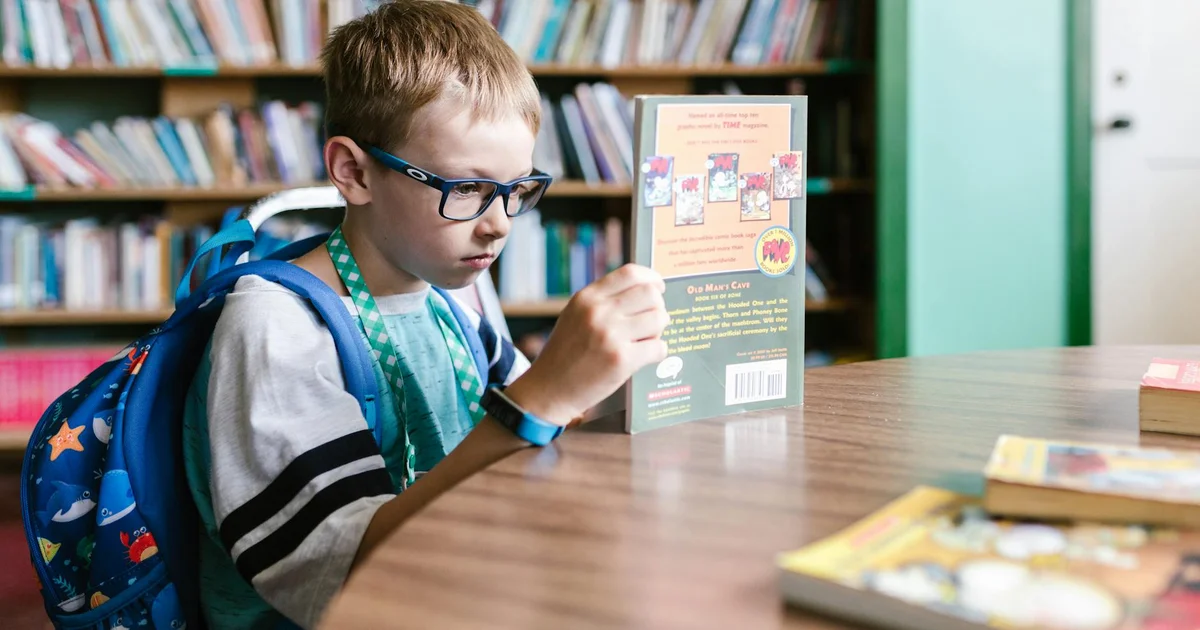 Photo: RDNE Stock project, Pexels
A 2023 University of Cambridge study tracked 10,243 children and found that children who start reading for pleasure early develop larger cortical surfaces in frontal brain regions - and these differences are still visible in adolescence. Children who read 12 hours per week had significantly better scores on cognitive function tests, verbal memory, and mental health compared to non-readers.
Unlike watching videos, reading requires the brain to build images, sounds, and emotions from a series of letters - an active, demanding cognitive process. This "active mode" of constructing content in the imagination engages and develops complex neural pathways that don't form through passive media consumption.
Interestingly, reading aloud to infants and young children also has measurable brain effects. An MRI study published in PMC shows that children who were read to at home had stronger activity in brain areas responsible for language processing even in preschool age.
| Feature | Detail |
|---|---|
| Recommended age | From birth (parent reads aloud), 4-6 yrs (independent reading) |
| Weekly duration | Optimal 12 hours per week (about 1.5-2 hours daily); beyond that, no additional benefit |
| Cognitive focus | Cortical surface, language skills, verbal memory, emotional regulation |
| Cost | Free (library) or 5-20 EUR per book |
Advantages: Increases vocabulary and language skills, improves concentration and attention, reduces stress and anxiety symptoms, structural brain changes visible in adolescence, develops empathy and emotional IQ, cheap and accessible to everyone.
Disadvantages: Children aged 7-12 increasingly prefer screens, quiet space needed for reading is hard to ensure in noisy households, excessive reading (12+ hours per week) brings no additional benefits but may reduce physical activity.
Our opinion: The cheapest and most accessible hobby on this list. The key isn't forcing a child to read - it's offering books they're interested in. Thrillers, fantasy, comics - all of it develops the brain. The library is free, and an audiobook doesn't require a special device. If a child doesn't like reading, start with 5-minute short stories and gradually extend.
4. Drawing and painting - Both brain hemispheres at the same time
 Photo: Anastasia Shuraeva, Pexels
When drawing, the left brain hemisphere (logic, sequences, planning) and the right (creativity, imagination, emotions) work in parallel - less so than with music, but enough to give the brain an unusual combination of stimuli. A child drawing plans the composition (left hemisphere), visualizes the result (right hemisphere), and physically executes the hand movements (motor cortex) - all simultaneously. A 2024 RCT study in BMC Complementary Medicine confirms that art activity develops cognition comparably to music training, especially for spatial skills and creative thinking.
Fine motor skills developed through drawing are a direct prerequisite for writing. Children who drew a lot in preschool learn to write letters more easily because they have better control of the small muscles in their hand. According to East End Arts research, students with access to art education are 5 times less likely to drop out of school and 4 times more likely to be recognized for high academic achievement.
| Feature | Detail |
|---|---|
| Recommended age | From 2 yrs (scribbling), 3 yrs (naming shapes), 5-7 yrs (structured art tasks) |
| Weekly duration | 2-5 yrs: free paint/pencil play daily; 6-10 yrs: 30-45 min, 3-4 times per week |
| Cognitive focus | Fine motor skills, creativity, spatial awareness, executive functions |
| Cost | Low - pencils and paper are enough for beginners; classes 30-60 EUR/hour |
Advantages: Develops fine motor skills essential for writing, encourages creative and divergent thinking, improves spatial awareness and visual-perceptual skills, teaches children self-expression when words aren't enough, builds executive functions (planning, attention, self-control).
Disadvantages: Structured art classes can be expensive, free art play requires parental tolerance for mess, progress is hard to measure compared to chess for example, children around age 9-10 can get discouraged when drawings don't look realistic.
Our opinion: Drawing is ideal because it needs nothing but a pencil and paper. For children under 6, don't correct how they hold a pencil or comment "that doesn't look like a car" - that freedom of expression is the engine of development. If a child prefers STEM toys, combine drawing with construction - from drawn plan to built structure.
5. Dance - BDNF protein and neuron growth through movement
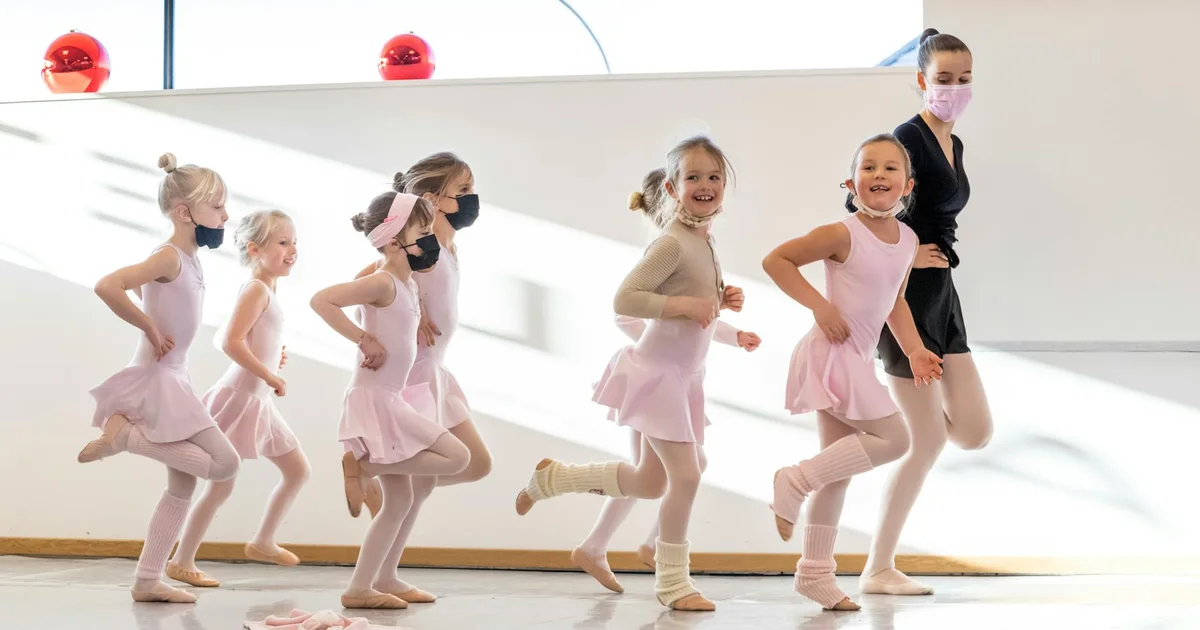 Photo: Barbara Diependaele, Pexels
Dance combines physical activity and cognitive effort in a way that neither pure sport nor music alone achieves. Physical dance activity increases BDNF (brain-derived neurotrophic factor) levels, a protein directly responsible for new neuron growth and synapse strengthening. A 2024 PubMed study followed children through 10 weeks of contemporary dance (3 times per week, 60 minutes each) and recorded significant BDNF increases and improved working memory.
Dance also stimulates the basal ganglia (movement regulation), cerebellum (balance and timing), and prefrontal cortex (executive functions). Memorizing choreography is an especially intensive working memory workout - a child must remember the sequence of steps, follow the music, and coordinate movements, all at once. According to cognitive neuroscience of dance, dance develops cognition better than passive activities precisely because of this combination of physical and mental effort.
| Feature | Detail |
|---|---|
| Recommended age | From birth (rhythm and movement), 3-4 yrs (free dance), 5-6 yrs (structured classes) |
| Weekly duration | 3 times per week, 45-60 minutes per session; at least 12 consecutive weeks for cognitive benefits |
| Cognitive focus | BDNF, working memory, cognitive flexibility, coordination, spatial orientation |
| Cost | 40-80 EUR/month for classes; free dancing at home |
Advantages: Increases BDNF levels which directly stimulates neuron growth, improves working memory and balance, combines physical and cognitive activity, develops spatial orientation and coordination, builds confidence and social skills, available in various styles.
Disadvantages: Quality dance classes can be expensive (40-80 EUR/month), cognitive effects require at least 12 weeks of regular attendance, injuries are possible without proper physical preparation, performances can be stressful for introverted children.
Our opinion: Dance is special because you don't need to pay for classes to get the benefits. Turn on music and dance with your child in the living room - that's a legitimate cognitive activity. For older children and teenagers, dance is one of the rare hobbies that simultaneously builds brain and physical health without competitive pressure.
6. Coding and programming for kids - Executive functions in record time
 Photo: Christina Morillo, Pexels
Coding for kids has an unusually good ratio of time invested to cognitive results. A PMC study on coding in primary school proved that 1 month of coding (8 lessons) delivers equal or greater effects on planning and inhibitory control as 7 months of standard activities - an exceptional ratio.
MIT neuroscientists found that reading code activates the "multiple demand network" in the brain - the networks responsible for multitasking, complex problem-solving, and planning. Coding simultaneously activates the left hemisphere (logic, analysis) and right (creative solution design), and a Frontiers in Psychology review confirms that children learning to code show advances in executive functions, particularly planning and inhibition - skills that are fundamental to both academic success and self-regulation.
A great starting point for children aged 5 to 8 is the free platform Scratch Jr and Code.org which offer visual block programming without typing - children stack visual blocks like building bricks.
| Feature | Detail |
|---|---|
| Recommended age | 5-7 yrs (Scratch Jr, Code.org), 8-10 yrs (Scratch, Python basics) |
| Weekly duration | 2-3 times per week, 30-60 min per session; 8 lessons for measurable effects |
| Cognitive focus | Executive functions, logical and computational thinking, creativity |
| Cost | Free (Scratch, Code.org) to 50-120 EUR/month for classes |
Advantages: Exceptionally strong effect on executive functions in a short time (1 month = 7 months of standard activities), develops logical and computational thinking, applicable skill for the future, free tools available online, can be done at home without special equipment.
Disadvantages: Requires screen time which may concern some parents, effects need to be explicitly transferred to other domains, paid classes can be expensive (50-120 EUR/month), children under 5 can't understand abstract concepts.
Our opinion: For parents worried about screen time - this is screen time that builds the brain. Coding is structured, focused, and brief. 30 minutes of Scratch three times a week delivers measurable cognitive effects. You don't need a class - start with free Code.org tutorials. If you want a physical alternative, STEM toys for robot programming combine coding with physical toys.
7. Puzzles and logic games - Cheaper than many hobbies that develop children's brain, but effective
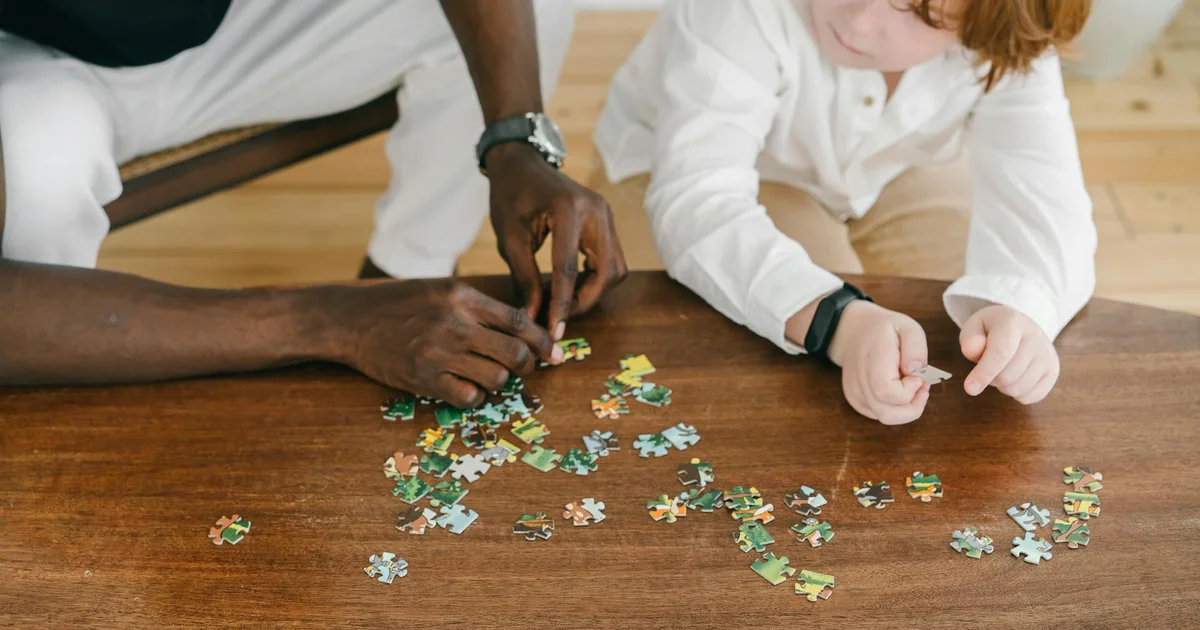 Photo: Mikhail Nilov, Pexels
Puzzles are among the cheapest of the hobbies that develop children's brain - and the only one children can start practicing from as early as age two. A longitudinal study published in PMC tracked children from 26 to 54 months and proved a direct link between puzzle play frequency and spatial skills - children who played with puzzles more than 6 times a week had significantly better spatial reasoning test scores.
The DREME Stanford research program confirms that spatial skills developed through puzzles directly predict success in math and STEM subjects in later school years - making them a long-term investment. Puzzles activate the prefrontal cortex (attention and decision-making), visual cortex (pattern recognition), and parietal cortex (spatial placement of pieces).
For children interested in toys that promote brain development, puzzles are a natural starting point because they have no rules and no losers - a child progresses at their own pace.
| Feature | Detail |
|---|---|
| Recommended age | 2-4 yrs (4-12 pieces), 5-7 yrs (48+ pieces), 8+ yrs (100+ pieces and logic games) |
| Weekly duration | More than 6 times per week for optimal spatial benefits; 20-30 min per session |
| Cognitive focus | Spatial thinking, STEM foundation, visual perception, attention |
| Cost | 5-50 EUR (puzzles and logic games) |
Advantages: Develops spatial thinking as a foundation for math and STEM, improves concentration and visual perception, cheap and accessible to everyone, can be played alone or with family (social aspect), builds resilience through trial-and-error, reduces screen time.
Disadvantages: Cognitive effects are narrower than e.g. music training or coding, children can get frustrated and give up without support, difficult to measure progress, puzzles alone aren't enough - variety of activities is needed.
Our opinion: Puzzles are ideal for children who love quiet concentration and don't show interest in sports or music. Tangrams, Rubik's cubes, and logic puzzles for kids 6+ are especially valuable because they require spatial thinking in three dimensions. Don't demand perfection - let the child place pieces wrong, correcting mistakes is the development itself.
Conclusion - Which hobbies develop children's brain fastest?
These are seven hobbies that develop children's brain with neuroscientifically confirmed effects - but they're not all equal in breadth and speed of results. For the broadest effect, a musical instrument is the only activity that engages so many brain areas at once. For fast executive function changes, coding delivers measurable results after just 8 lessons. For the cheapest start, reading books from the library and 10 EUR puzzles need no special course.
The key recommendation from neuroscience: a combination of hobbies that develop children's brain gives better results than one alone. A child who plays music, reads, and does puzzles develops the brain synergistically - each of the hobbies that develop children's brain strengthens the neural networks the others use. A newborn's brain builds over 1 million new neural connections per second, and 90% of brain development finishes by age 5 - meaning every activity in early childhood is an investment with disproportionately high returns.
From the list of hobbies that develop children's brain, you can almost always find at least one that a child naturally gravitates toward. Follow what your child gravitates to and add a little structure. Children thrive in hobbies that bring them joy, and joy is the most powerful neurotransmitter we have.
| Hobby | Speed of effects | Breadth of effects | Cost | Recommended for |
|---|---|---|---|---|
| Musical instrument | Medium (6-12 mo.) | Highest | High | Children 3-12 yrs |
| Chess | Slow (25-30 hrs) | High | Low | Children 5-14 yrs |
| Reading | Fast (immediate) | High | Low | All children |
| Drawing and painting | Fast (immediate) | Medium | Low | Children 2-12 yrs |
| Dance | Medium (12 weeks) | High | Medium | Children 3-12 yrs |
| Coding | Very fast (1 mo.) | Narrow (exec. func.) | Low | Children 5-14 yrs |
| Puzzles | Fast (immediate) | Narrow (spatial) | Low | Children 2-10 yrs |
Frequently asked questions
Which hobbies develop children's brain the most?
According to neuroscience research, the most powerful of the hobbies that develop children's brain is playing a musical instrument - it activates the motor, auditory, visual, and emotional cortex simultaneously. Next come chess (executive functions and logic), reading (building language pathways and cortical surface), coding (planning and inhibition), dance (BDNF and working memory), drawing (both brain hemispheres), and puzzles (spatial thinking and STEM foundation). A combination of multiple hobbies always gives better results than one alone.
At what age should a child start a hobby that develops the brain?
When it comes to hobbies that develop children's brain, the rule applies: the earlier, the better - 90% of brain development happens by age 5. Puzzles can start as early as age 2. Music and dance are best introduced from ages 3-5 (rhythm and free activity). Chess is appropriate from 5-6 years, and coding starts with visual block programs from 5-7 years. The key is that activities are age-appropriate and children participate without pressure.
Does music education develop children's brain better than sports?
According to USC research that directly compared music and sports, instrumental training is unique in a "broad range of long-term effects" not observed in any other activity. Music is better for auditory processing, language development, and academic performance. Sports has narrower, mainly motor and physical benefits. Both are valuable though - ideally combine both: sports for physical health and BDNF, music for cognitive development.
How does a hobby affect a child's school performance?
A longitudinal study in npj Science of Learning 2023 tracked 488 seventh-grade students and found that participation in extracurricular music and visual arts directly improves overall academic performance. Children who play chess have 5-10% better math grades. Children who regularly read 12 hours per week show better verbal learning and memory across all subjects.
Which activities improve memory and concentration in children?
For memory, the most effective are: playing an instrument (verbal memory and sequence memory), reading (verbal learning and speech memory), and dance (BDNF protein directly affects neuron growth and working memory). For concentration, particularly effective are chess (requires sustained attention 30-60 minutes), coding (planning and distraction inhibition), and puzzles (train the prefrontal cortex for attention and decision-making).
How we tested and chose
Each of the hobbies that develop children's brain on this list had to meet three criteria: proven structural or functional changes in children's brains, measurable cognitive or academic effects (not just parent self-reports), and accessibility to a broad audience. The research basis comes exclusively from peer-reviewed journals (Nature, Frontiers in Psychology, PMC, PubMed, PLOS One).
All hobbies that develop children's brain are ranked by the breadth of cognitive effects (how many brain areas they develop) and the durability of changes. All cited data and research is current for 2023-2026.
Sources and references
- Nature Scientific Reports 2025 - Music intervention for neurodevelopment in pediatric population
- USC Today - Children's brains develop faster with music training
- University of Cambridge 2023 - Reading for pleasure linked to better cognitive performance
- Frontiers in Psychology 2025 - Chess teaching in intellectual development of young children
- PMC - Coding in Primary Grades Boosts Children's Executive Functions
- PubMed 2024 - Effects of Contemporary Dance on Executive Function and BDNF
- PMC - Early Puzzle Play: A predictor of preschoolers' spatial transformation skill
- DREME Stanford - Puzzle Play: Easy Way to Boost Early Spatial and Math Learning
- APA Monitor - Music lessons may boost IQ and grades
- First Things First - Early Childhood Brain Development